Haridwar is a vegetarian, alcohol-free pilgrim town. What to eat—kachori, aloo-puri, lassi, sweets and bhandaras—plus food safety tips for the Kumbh 2027.
Food in Haridwar is simple, vegetarian and made for pilgrims. During the Kumbh you will also find free community kitchens (bhandaras and langars) run by akharas, ashrams and charitable groups.
A vegetarian city
The sale of meat and alcohol is not permitted in Haridwar's main city and pilgrimage areas. Most hotels, restaurants and camps serve pure vegetarian food, and many cook sattvik food without onion and garlic on request.
What to try
- Kachori-sabzi and aloo-puri: the classic Haridwar breakfast, with spiced potato curry
- Chole-bhature and chole-kulche
- Lassi: thick, often served in clay cups (kulhad)
- Jalebi, rabri and kheer
- Halwa and pedas: popular as temple prasad
- Thalis at bhojanalayas: dal, sabzi, roti, rice, curd and a sweet
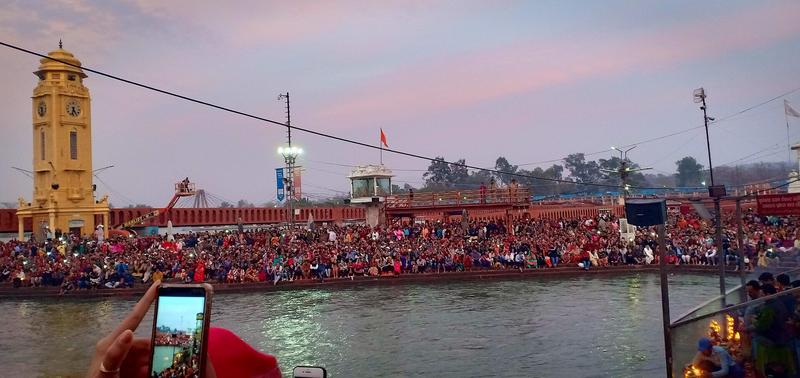
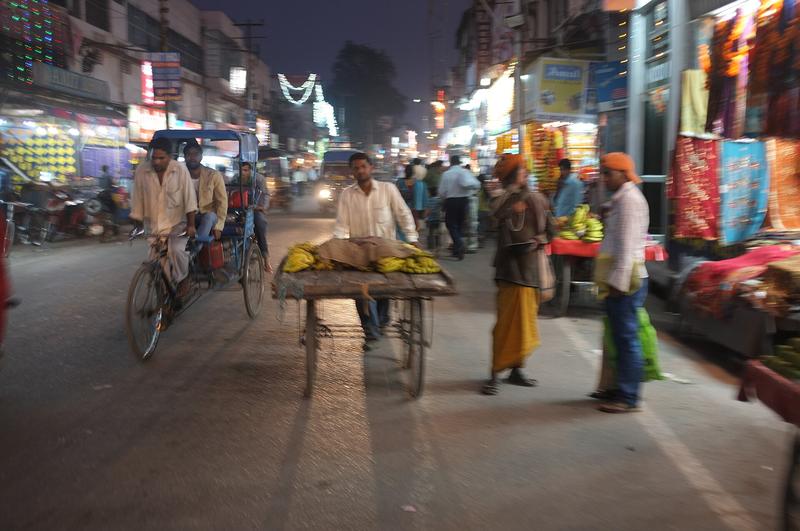
The lanes around Har Ki Pauri, Moti Bazaar and Upper Road are full of long-running sweet shops and eateries.
Bhandaras at the Kumbh
Akharas and ashrams serve free meals to all comers, sitting in rows on the ground. It is a beautiful experience of seva. Eat what is served, don't waste food, and leave a donation if you wish.
Fasting on snan days
Many pilgrims fast until after the snan. If you are fasting:
- keep a banana, dry fruits or sabudana handy
- drink plenty of water
- elderly and diabetic pilgrims should check with their doctor first
Food safety tips
- Eat freshly cooked, hot food. Avoid food that has been sitting out.
- Drink sealed bottled water, or water from trusted filtered sources.
- Go easy on cut fruit, chutneys and ice from street stalls.
- Wash or sanitise hands before eating.
- Carry ORS and basic stomach medicine.
- In large crowds, choose busy stalls with high turnover.
Meals in our packages
Our Luxury Camp and Deluxe Camp stays serve freshly cooked sattvik vegetarian meals daily, which takes one worry off your list. See our Haridwar Kumbh packages.
By KMII Travel Desk · Updated 19 Sep 2026