Skip to content

Maharashtra · Godavari

Nashik Kumbh Mela 2027 (Simhastha)

Simhastha on the banks of the Godavari

Overview

About the Nashik–Trimbakeshwar Simhastha Kumbh Mela 2027

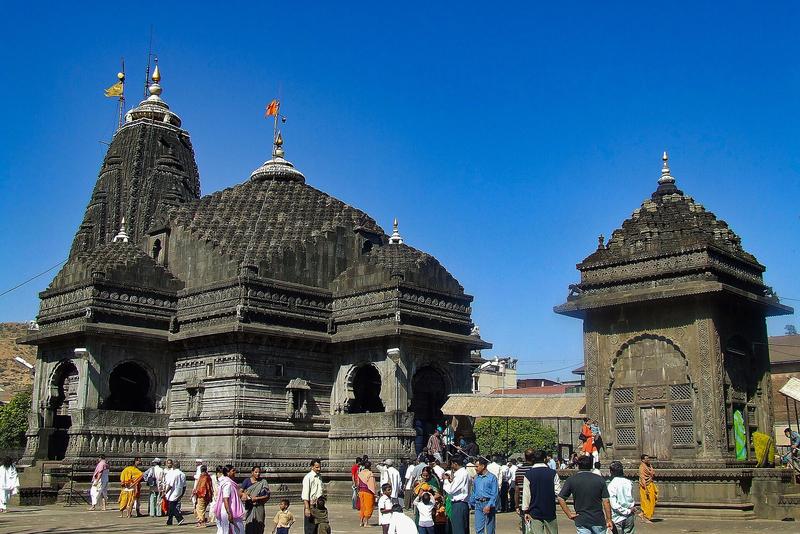
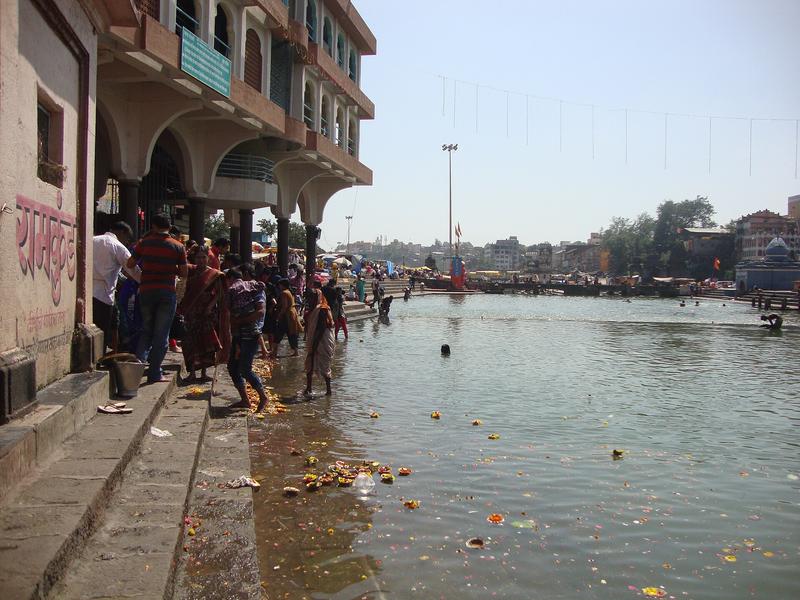
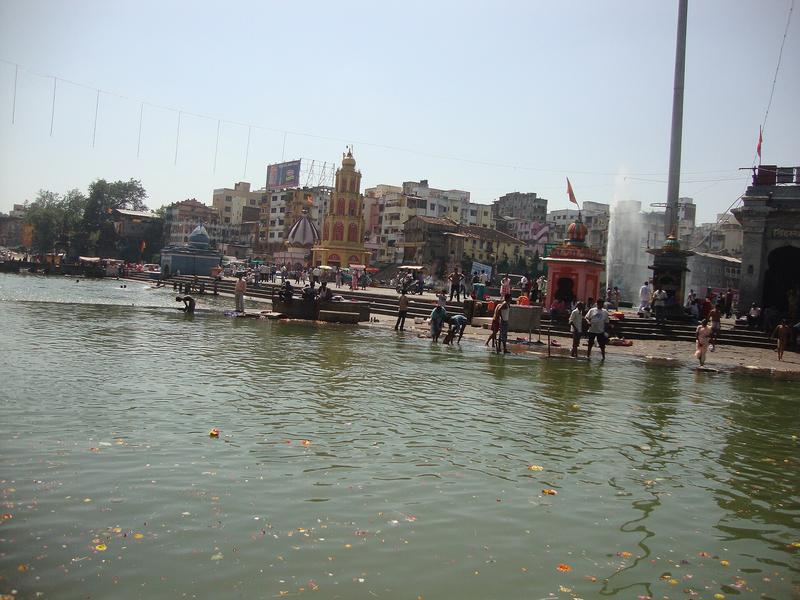
The Nashik–Trimbakeshwar Simhastha is the only Kumbh Mela held on the Godavari, and the only one shared between two towns. The Vaishnav akharas bathe at Ramkund in Panchavati, Nashik, while the Shaiva akharas bathe at the Kushavarta Kund in Trimbakeshwar, home of one of the twelve Jyotirlingas.

The Simhastha period opens with flag hoisting at Ramkund on 31 October 2026 and closes on 24 July 2028. The main bathing season falls in the monsoon of 2027, with Amrit Snans on 2 August, 31 August and 11 September 2027 (12 September at Trimbakeshwar).

Spiritual significance

The mela is called Simhastha because it is held when Jupiter (Brihaspati) is in Leo (Simha). Panchavati is where Lord Rama, Sita and Lakshmana are believed to have lived during their exile, and the Godavari—the Dakshin Ganga—rises in the Brahmagiri hills above Trimbakeshwar.

Calendar

Simhastha 2027 bathing dates

Plan your arrival a day before major snans—road restrictions usually begin the previous evening.

  1. Flag hoisting (Dhwajarohan) at Ramkund & Trimbakeshwar

    Saturday

    Ceremony
  2. Nagar Pradakshina, Nashik

    Thursday

    Ceremony
  3. First Amrit Snan

    Monday

    Amrit Snan
  4. Second Amrit Snan (Shravan Amavasya)

    Tuesday

    Amrit Snan
  5. Third Amrit Snan — Nashik

    Saturday

    Amrit Snan
  6. Third Amrit Snan — Trimbakeshwar

    Sunday

    Amrit Snan
  7. Flag lowering — Simhastha concludes

    Monday

    Ceremony

Schedule announced by the Government of Maharashtra in June 2025. Dates are based on announcements by the organising authorities and may be revised. Please re-check official notices before you travel.

Where to stay

Camps & tents at Nashik–Trimbakeshwar Kumbh

Luxury camps, deluxe camps and tent stays inside the mela—price on request.

All categories
Luxury Camp at Nashik Kumbh Mela Luxury Camp

Luxury Camp at Nashik Kumbh Mela

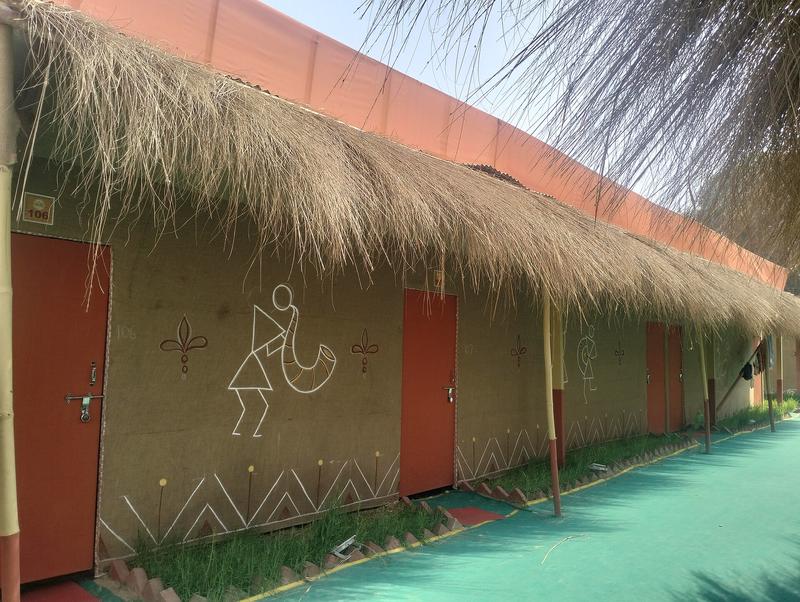
Premium cottages with proper beds, attached bathrooms, hot water and private sit-outs—our most comfortable stay for the Nashik–Trimbakeshwar Simhastha 2027.

  • Spacious cottage with proper beds
  • Attached western bathroom & hot water
  • Raised, waterproof floors and covered walkways

Price

On request

Deluxe Camp at Nashik Kumbh Mela Deluxe Camp

Deluxe Camp at Nashik Kumbh Mela

Comfortable cottages with attached bathrooms and meals—the best balance of comfort and value for the Nashik–Trimbakeshwar Simhastha 2027.

  • Cottage with beds & lighting
  • Attached bathroom
  • Raised, waterproof floors and covered walkways

Price

On request

Tent Stay at Nashik Kumbh Mela Tent Stay

Tent Stay at Nashik Kumbh Mela

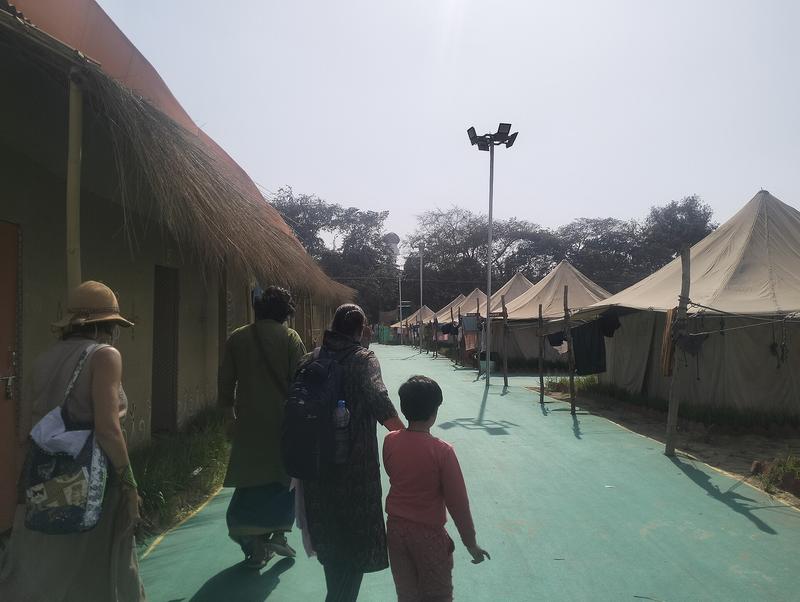
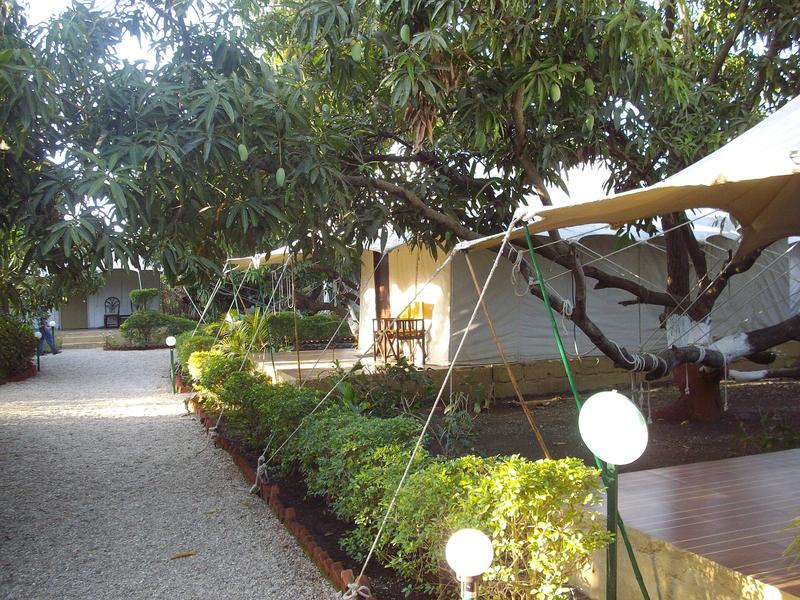
Simple Swiss-style tents with beds and clean shared or attached bathrooms—an affordable way to stay inside the Nashik–Trimbakeshwar Simhastha 2027.

  • Swiss-style tent with beds
  • Bedding & lighting
  • Shared or attached bathroom

Price

On request

Tour packages

Nashik–Trimbakeshwar Kumbh tour packages

All packages

Kumbh prices change with dates, snan days and availability, so every package and stay is priced on request. Share your dates for an exact quote.

Travel guide

How to reach Nashik–Trimbakeshwar

By air
Nashik (Ozar) Airport is about 20 km from the city, with limited flights. Mumbai airport is about 170 km (4–5 hours by road), and Pune is about 210 km.
By rail
Nashik Road station is on the Mumbai–Delhi and Mumbai–Kolkata lines, about 10 km from Panchavati. Kasara and Igatpuri handle some overflow.
By road
Nashik is well connected by the Mumbai–Agra highway and the Samruddhi Expressway. Trimbakeshwar is about 28 km from Nashik city, and shuttle services link the two during the mela.
Getting around
Plan for two bases: Nashik for Ramkund and Panchavati, and Trimbakeshwar for the Jyotirlinga and Kushavarta. Mela shuttles and private cabs connect them, but allow two or more hours on snan days.

Weather

The bathing season is in the monsoon (August–September). Expect regular rain, 22–30 °C and slippery ghats, so carry rain gear and footwear with grip.

Pilgrim tips for Nashik–Trimbakeshwar

  • Pack for rain: a poncho, quick-dry clothes, and a waterproof pouch for phone and documents.
  • Visit Trimbakeshwar on a non-snan day if you want Jyotirlinga darshan; queues on Amrit Snan days are very long.
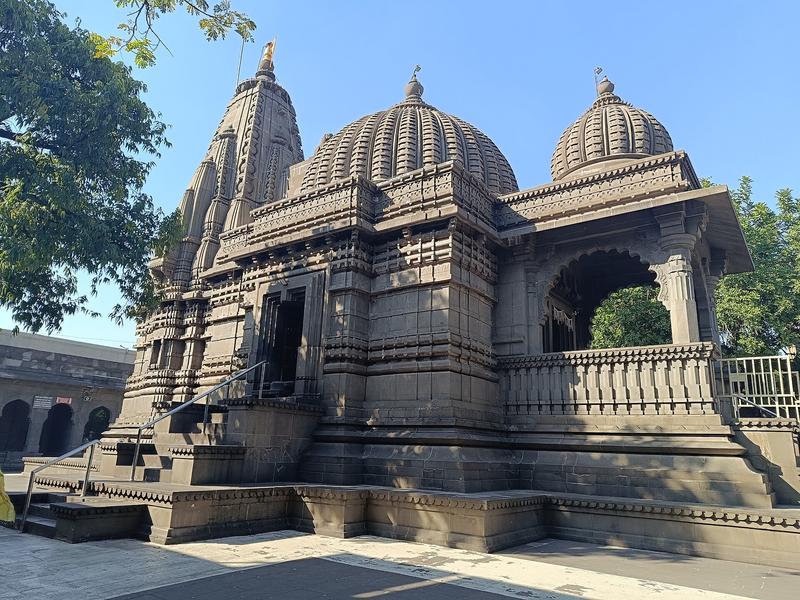
  • Panchavati’s Kalaram Temple, Sita Gufa and Ramkund are within walking distance of each other.
  • Monsoon makes the Brahmagiri trek beautiful, but avoid it in heavy rain.
  • Stays near Trimbak Road give you access to both Nashik and Trimbakeshwar.

Planning your Nashik–Trimbakeshwar Simhastha 2027: the complete guide

The Nashik Simhastha is unlike any other Kumbh. It is held in two towns, 28 km apart, and its main bathing days fall in the monsoon. Both facts shape every decision you make, from where you stay to what you pack. This guide brings together the advice we give every family planning a trip.

One Kumbh, two bathing sites

The Simhastha is shared between Nashik and Trimbakeshwar. The Vaishnav akharas bathe at Ramkund in Nashik's Panchavati; the Shaiva akharas bathe at Kushavarta Kund in Trimbakeshwar, at the foot of the Brahmagiri hills where the Godavari rises. That is why the third Amrit Snan falls on two consecutive days: 11 September in Nashik and 12 September in Trimbakeshwar.

For pilgrims this means a choice:

  • Nashik suits families, first-time visitors and devotees of Lord Rama. Panchavati's Ramayana sites (Kalaram Temple, Sita Gufa) are within walking distance of Ramkund, and the city has more facilities.
  • Trimbakeshwar suits Shiva devotees and those planning rituals at the Jyotirlinga, such as Kaal Sarp shanti or Narayan Nagbali. It is a small temple town with limited accommodation.

Most pilgrims bathe in one and visit the other on a quieter day. Our guide to Nashik vs Trimbakeshwar compares them in detail.

Choosing your dates

The Simhastha period began with flag hoisting at Ramkund on 31 October 2026 and continues until 24 July 2028, but the main bathing season is the monsoon of 2027:

  • 2 August 2027: First Amrit Snan
  • 31 August 2027: Second Amrit Snan (Shravan Amavasya)
  • 11–12 September 2027: Third Amrit Snan (Nashik, then Trimbakeshwar)

The weeks around these dates have the full Kumbh atmosphere. If you are travelling with seniors or children, choose a day between the Amrit Snans. Also note that Shravan Mondays bring large crowds to Trimbakeshwar even outside the Amrit Snans.

Monsoon: what it really means for your trip

The Simhastha's August–September dates mean rain is likely on most days, sometimes heavy.

  • Choose a monsoon-ready stay: raised floors, waterproof roofing, covered walkways and drainage. We only offer camps built for these conditions, including our Monsoon-ready Cottages.
  • Keep buffer time for road travel; the Nashik–Trimbakeshwar road can be slow in heavy rain.
  • Pack properly: a poncho, quick-dry clothes, spare footwear with grip and a waterproof pouch. See our monsoon packing list.
  • Enjoy the landscape. The Sahyadri hills around Nashik turn green and full of waterfalls, which is one of the joys of a monsoon Kumbh.

What happens on an Amrit Snan

Road restrictions usually begin the evening before. Before dawn, the akharas set out in procession to Ramkund or Kushavarta in a fixed order, with Naga sadhus, mahamandaleshwars, flags and music. Public access to the main bathing areas is closed until the akharas have bathed, after which designated public ghats open. If you want to experience this, plan to arrive the day before and stay within walking distance; our Amrit Snan Special is built for exactly that. Read about the Vaishnav and Shaiva akharas to understand who you will see.

Rituals at Ramkund and Trimbakeshwar

  • Asthi visarjan at Ramkund is a long-standing tradition; the Godavari here is believed to carry the ashes to moksha (guide).
  • Kaal Sarp shanti, Narayan Nagbali and Tripindi shraddh are performed at Trimbakeshwar by its purohits (guide).
  • Trimbakeshwar darshan has free and paid queues; on peak days the wait can be very long (darshan guide).

Tell us when you enquire and we will arrange a purohit and timing.

Where to stay

For 2027 the Kumbh Mela Authority has allowed approved operators to run fully serviced tent cities. We work only with approved operators and offer:

Read where to stay for the Nashik Kumbh and our tent city guide for more.

Sample itineraries

  • 2–3 days: Ramkund snan, the Panchavati trail and an evening at the Godavari aarti.
  • 4 days: add a full day in Trimbakeshwar for darshan and Kushavarta (package, 3-day itinerary).
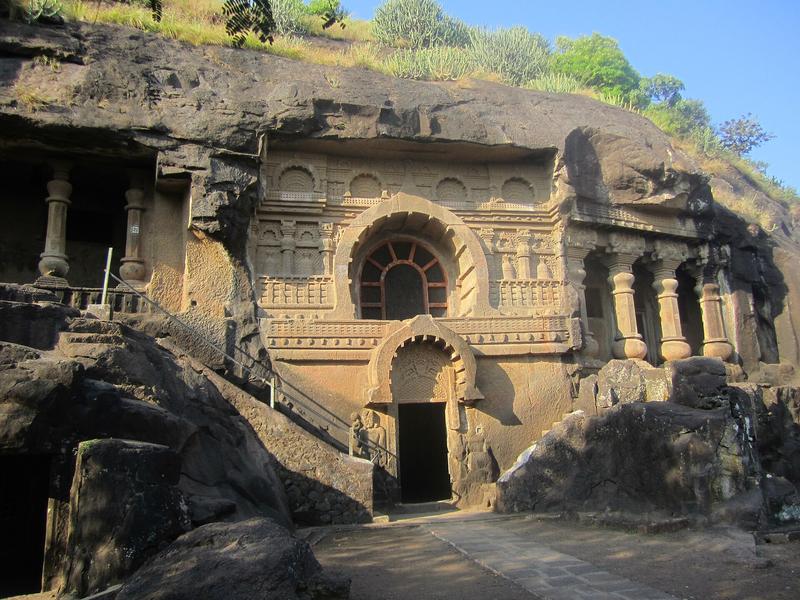
  • 5 days or more: add Shirdi, the Pandavleni caves, or the Maharashtra Jyotirlingas of Bhimashankar and Grishneshwar (package).

Getting there from Mumbai and Pune

Nashik is about 170 km from Mumbai and a similar distance from Pune. Trains from Mumbai to Nashik Road are the most economical option; by road, allow four to five hours, longer in heavy rain. Nashik's own airport at Ozar has limited flights. See Mumbai to Nashik for the Kumbh and transport between Nashik and Trimbakeshwar.

What affects the cost

Kumbh rates change with dates and availability, so we quote every trip individually. Your budget depends on how close you travel to an Amrit Snan, your stay category, the number of nights and travellers, and whether you add Trimbakeshwar rituals or day trips. Our budget guide explains each factor.
FAQs

Frequently asked questions about Simhastha 2027

The Simhastha period runs from flag hoisting on 31 October 2026 to 24 July 2028. The main Amrit Snans are on 2 August, 31 August and 11 September 2027 at Nashik, with the third Trimbakeshwar snan on 12 September 2027.

It is one Simhastha with two bathing sites. Vaishnav akharas bathe at Ramkund in Nashik; Shaiva akharas bathe at Kushavarta Kund in Trimbakeshwar, about 28 km away.

Yes, the region is lush and green, but plan for rain. Choose raised, monsoon-ready cottages with covered walkways rather than basic tents, and keep buffer time for travel.

Yes. Shirdi is about 90 km from Nashik (2–2.5 hours). We can add a Shirdi day trip to any Nashik package.

For Ramkund, stay in Panchavati or central Nashik. For Trimbakeshwar darshan, stay in Trimbak or along Trimbak Road. Tent cities are being set up under the Kumbh Mela Authority’s framework.

Both are Simhastha snans. Ramkund in Nashik is easier for families and has more facilities; Kushavarta in Trimbakeshwar is the bathing place of the Shaiva akharas and suits Shiva devotees. Many pilgrims bathe at one and visit the other.

Yes, with sensible planning: choose a monsoon-ready stay, keep buffer time for travel, wear grippy footwear on the ghats, and follow police instructions on crowded days.

Three to four days covers Nashik and Trimbakeshwar comfortably. Add a day or two for Shirdi, Pandavleni or the other Maharashtra Jyotirlingas.

Guides

Nashik–Trimbakeshwar travel guides

All articles
Nashik Kumbh 2027 Amrit Snan Dates and What Happens on Each

Kumbh Dates & Events

Nashik Kumbh 2027 Amrit Snan Dates and What Happens on Each

Nashik–Trimbakeshwar · 2 min read

Nashik or Trimbakeshwar? How the Twin Simhastha Works

Kumbh Dates & Events

Nashik or Trimbakeshwar? How the Twin Simhastha Works

Nashik–Trimbakeshwar · 2 min read

Free quote · Reply within hours

Plan your Simhastha 2027 trip

Tell us your dates, group size and budget. Our pilgrimage desk will suggest the right stay and package, usually within a few hours.

  • No booking fee to enquire
  • Stays confirmed with photos before you pay
  • Coordinator on WhatsApp throughout your trip

Send us an enquiry

Fields marked * are required.

Thank you!

We’ve received your enquiry. Our pilgrimage desk will call you shortly.

Get a faster reply on WhatsApp

+91

By sending this enquiry you agree to be contacted by Kumbh Mela in India (KMII) by phone, WhatsApp or email about your trip, as described in our Privacy Policy.

Call Enquire WhatsApp