About the Amrit Snan Special
The Amrit Snans are the days that define a Kumbh. Before dawn, the akharas set out for the river in great processions: Naga sadhus, mahamandaleshwars on decorated chariots, flags, drums and conch shells, watched by enormous crowds. Only after the akharas have bathed do the gates open for everyone else.
This three-day package is built around one of the three 2027 Amrit Snans in Nashik. You arrive the day before, before the road restrictions begin; you take your dip at a designated public ghat after the akharas' snan; and you leave once the roads reopen. A coordinator plans every movement around the crowd controls, so you can experience the most important morning of the Simhastha without getting lost in it.
Who this package suits
- Devotees who want to experience an Amrit Snan and see the akhara processions in person.
- Pilgrims who are fit and comfortable with crowds, long waits and walking.
- Small groups of adults travelling together.
It is not the right choice for elderly travellers, very young children or anyone with limited mobility. For a calmer experience, the Nashik & Trimbakeshwar Simhastha Yatra can be taken on an ordinary day.
Choose your Amrit Snan
| Date | Occasion | Good to know |
|---|---|---|
| 2 August 2027 | First Amrit Snan | Early in the monsoon season; heavy rain is possible. |
| 31 August 2027 | Second Amrit Snan (Shravan Amavasya) | Falls during Shravan, a sacred month for Shiva devotees, so expect very large crowds. |
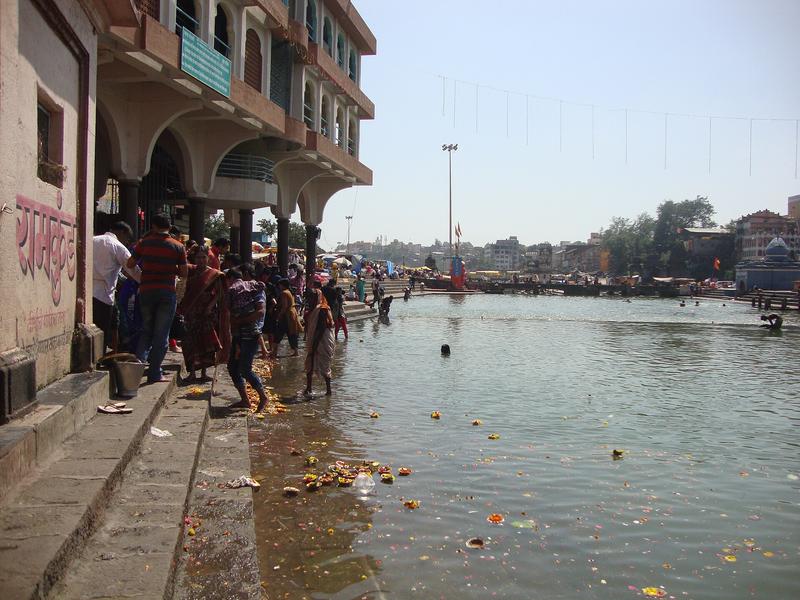
| 11 September 2027 | Third Amrit Snan, Nashik | The final Amrit Snan at Ramkund. |
The Shaiva akharas take their third Amrit Snan at Kushavarta in Trimbakeshwar on 12 September 2027. If you would prefer to be in Trimbakeshwar, we can plan this package there instead. Read Nashik vs Trimbakeshwar to help you decide.
Camps for Amrit Snan nights fill first, so the earlier you book, the more choice you have.
How an Amrit Snan morning works
Understanding the day helps you enjoy it.
- The evening before, police diversions begin and vehicles are stopped well outside the mela area. That is why you arrive by the afternoon of Day 1.
- Before dawn, the akharas move in a fixed order along a set route to the river. Public access to some areas is closed during the procession.
- After the akharas have bathed, the public ghats open. Depending on the crowd, this can be mid-morning or later.
- Through the day, crowds remain very large and some roads stay closed until restrictions are lifted.
Your coordinator knows the procession route and the designated public ghats, briefs you the evening before, and stays with your group in the morning. Our guide to the Vaishnav and Shaiva akharas of Nashik explains who you will see and why.
Your trip, in more detail
Day 1: arrive before the restrictions. We meet you at Nashik Road station or Nashik airport early enough to reach the camp before the roads close. In the evening your coordinator gives a full briefing: routes, the meeting point, what to carry, and how to stay together.
Day 2: the Amrit Snan. A pre-dawn start. You watch the akhara procession from a suitable point on the route, then take your dip at the designated public ghat once it opens. The rest of the day is for rest, since you will have been on your feet for many hours. Meals are provided at the camp all day.
Day 3: departure. Once restrictions are lifted, we drop you at Nashik Road or Nashik airport.
Where you stay
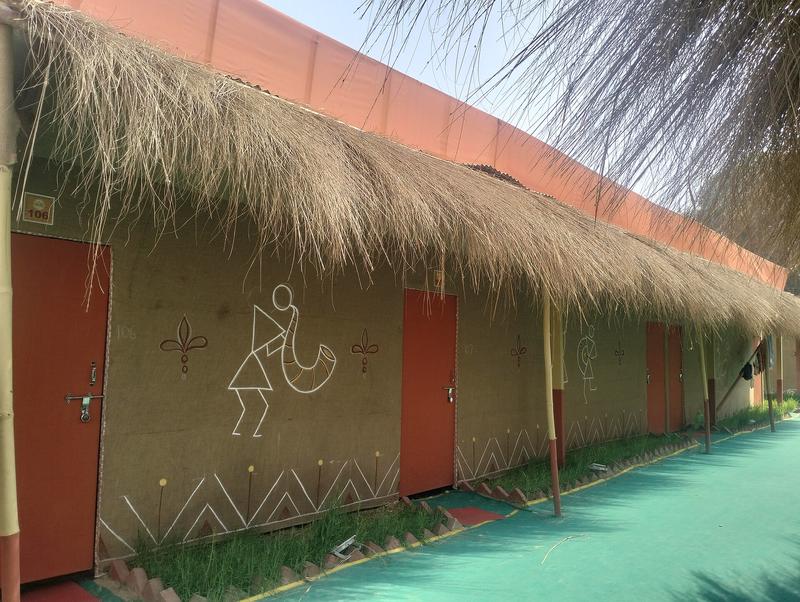
This package includes two nights in our Deluxe Camp category, inside a tent city within the permitted zone, so you can walk to the ghat on snan morning. All meals are included during the stay, because outside food stalls can be hard to reach on an Amrit Snan day. Monsoon conditions mean we only use camps with raised floors and waterproof roofs; Monsoon-ready Cottages offer the most protection.
What is included
- Two nights in a tent city cottage
- All meals during the stay
- A snan-day escort
- Transfers within the permitted zones
Not included: train or air fare, personal expenses and puja expenses.
How the price is worked out
Amrit Snan nights are the most in-demand dates of the whole Simhastha, so this package is quoted individually. Your price depends on which Amrit Snan you choose, your stay category and how many people are travelling. We confirm the camp, its location and the final price in writing before you pay.
Staying safe on an Amrit Snan
- Stay with your group and agree a fixed meeting point. Do not try to reunite in the middle of a crowd.
- Carry very little: ID, a phone in a waterproof pouch, a little cash and any essential medicines.
- Follow police and volunteer instructions, even if it means waiting.
- Keep children and elderly relatives at the camp on the busiest morning.
- Wear grippy footwear; wet ghat steps are slippery.
Read our safety guide for rain and crowds before you go.
What to carry on Amrit Snan morning
Keep it light. You may be on your feet for many hours, often in rain.
- Photo ID and a printed note of your camp's name, sector and a contact number
- Phone in a waterproof pouch, with a small power bank
- A little cash in small notes
- A change of clothes and a thin towel in a plastic bag
- A poncho or light raincoat; umbrellas are often impractical in dense crowds
- Any essential medicines, and a water bottle
- Footwear with good grip that you don't mind getting wet
Leave jewellery, large bags and anything valuable at the camp.
Watching the procession respectfully
The Amrit Snan is a sacred rite for the akharas, not a show. Stand back from the route when asked, do not try to touch or follow the sadhus, and ask before photographing anyone up close. Many sadhus are happy to bless pilgrims, but some, especially Naga sadhus in procession, prefer not to be photographed. Your coordinator will point out where it is appropriate to stand.