A visitor's guide to the Pandavleni (Trirashmi) caves in Nashik—history, what to see, the climb, the Dadasaheb Phalke Smarak below and monsoon tips.
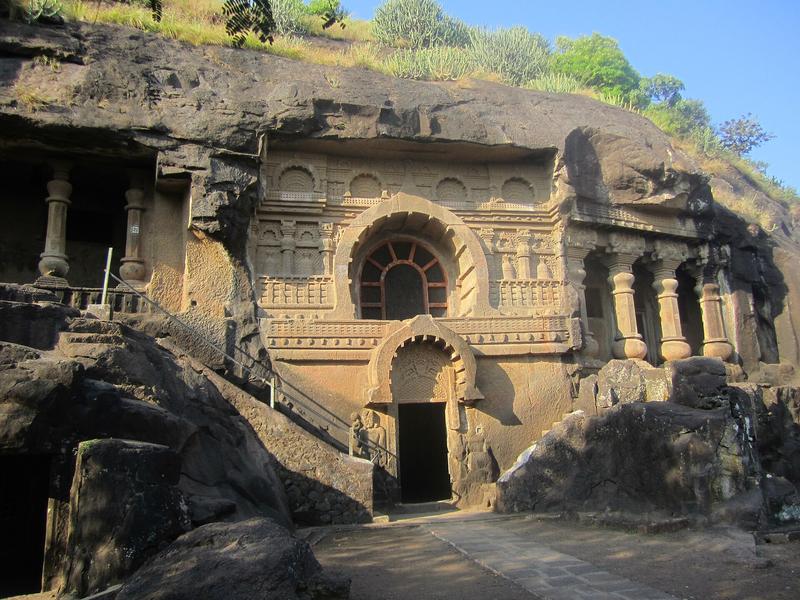
On Trirashmi hill, on the edge of Nashik, a line of rock-cut caves looks out over the city. Locals call them Pandavleni, the "caves of the Pandavas". They actually have nothing to do with the Mahabharata. They are among the oldest Buddhist monuments in Maharashtra.
History
- Carved by Buddhist monks roughly between the 2nd century BCE and the 2nd century CE, with some later additions
- Around two dozen caves, mostly viharas (monasteries) and a chaitya (prayer hall)
- Important inscriptions of the Satavahana and Western Kshatrapa rulers, valuable sources for the history of the Deccan
- Protected as a monument of national importance
What to see
- The chaitya hall, with its carved façade and stupa
- Viharas with monks' cells, pillared verandahs and carvings
- Inscriptions in early Brahmi script
- Panoramic views of Nashik, best on a clear monsoon morning
The climb
- A stepped path leads up the hill, typically 20–30 minutes at an easy pace.
- There is little shade, so carry water.
- Steps get slippery in the rain. Wear shoes with grip.
At the foot of the hill
The Dadasaheb Phalke Smarak is a landscaped memorial park honouring Dadasaheb Phalke, the father of Indian cinema, who was born in Trimbak. It is a pleasant stop for families.
Practical tips
- Timing: go in the morning, before the heat or the afternoon rain. Opening hours and entry fees are set by the authorities, so check locally.
- Distance: about 8 km from central Nashik.
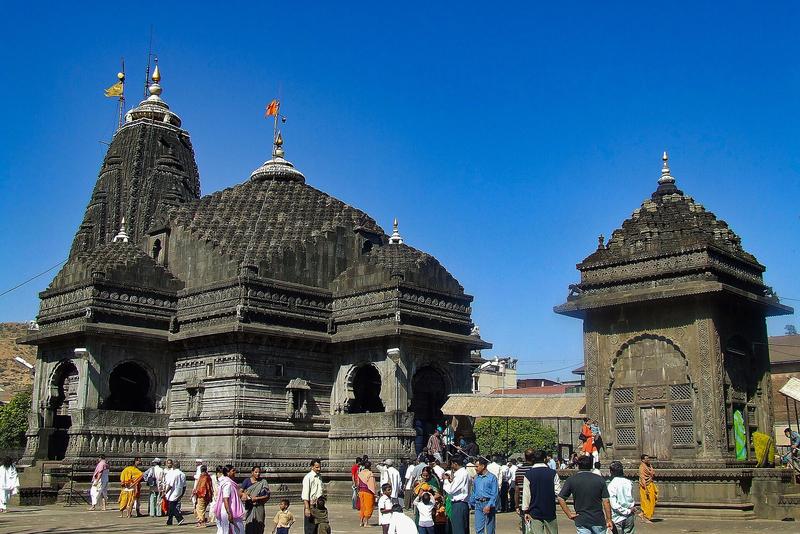
- Combine with: Trimbakeshwar on the same day, or Muktidham on the way to Nashik Road.
- Respect the site: don't touch the carvings or inscriptions.
Include it in your trip
Pandavleni is part of our Simhastha with Shirdi & Pandavleni package. See also the Pandavleni attraction page.
By KMII Travel Desk · Updated 4 Oct 2026