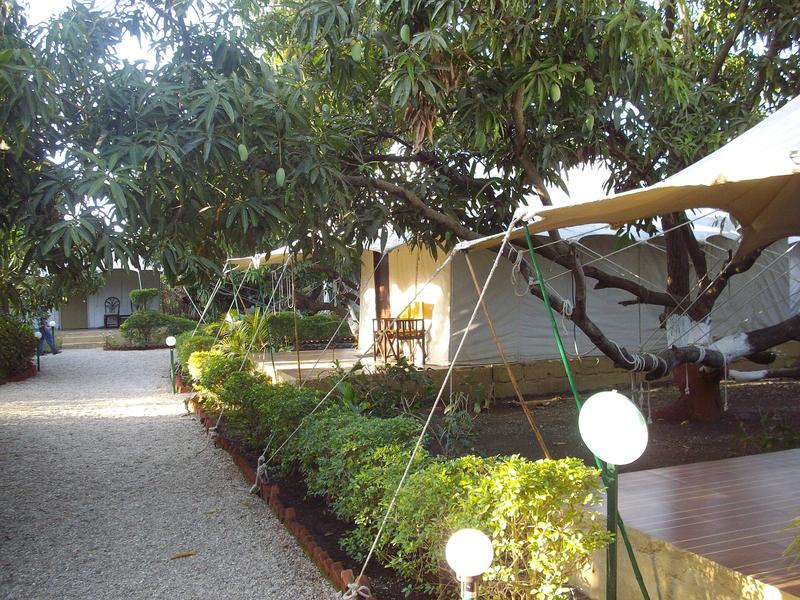
About the Sangam Snan Package
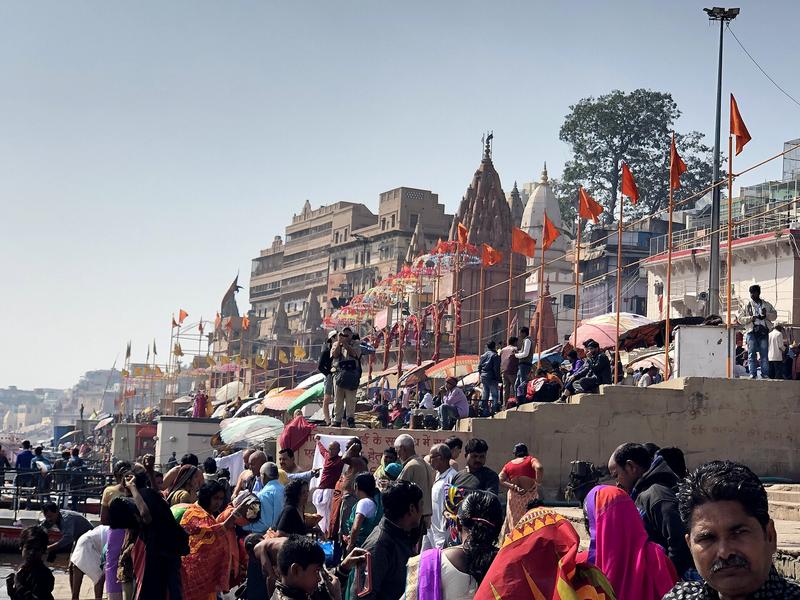
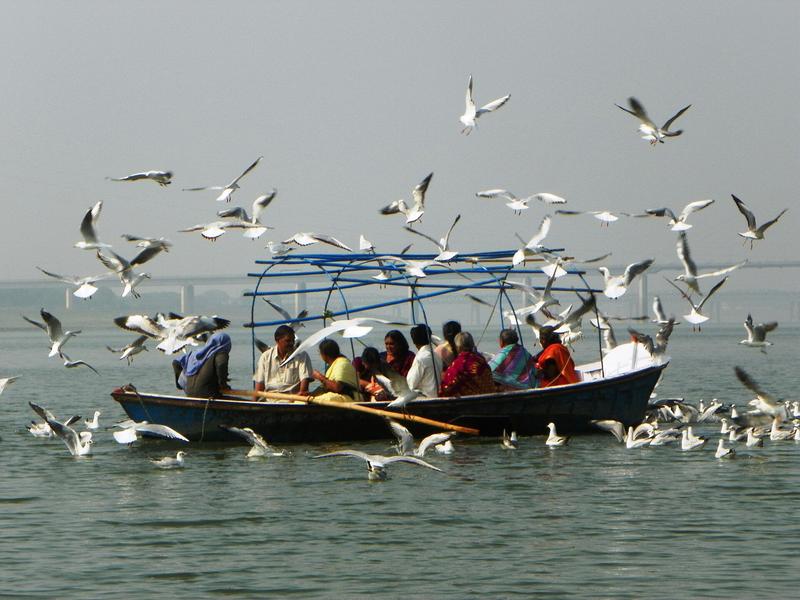
At Prayagraj, the Ganga and the Yamuna meet, and tradition holds that the invisible Saraswati joins them underground. This meeting point, the Triveni Sangam, is one of the holiest places in Hinduism, and a dip here during the Kumbh is believed to be especially meritorious. Unlike the other Kumbh cities, where you bathe from the steps of a ghat, at the Sangam most pilgrims go out by boat to the confluence itself, where you can see the two rivers' different colours meet.
This three-day package keeps things simple and comfortable: a Luxury Camp stay in the mela on the Sangam sands, an early boat to the confluence for your snan, and visits to the sites around the Sangam.
Who this package suits
- Families and first-time visitors who want the essential Prayagraj experience.
- Anyone with limited time: three days covers the snan and the main sites.
- Pilgrims who want comfort in the cold January–February weather by the river.
For a longer journey that includes Varanasi and Ayodhya, see the Prayagraj, Varanasi & Ayodhya Yatra. To spend the whole month of Magh at the Sangam, see the Kalpvas Package.
When to go
The next Kumbh at Prayagraj is the Ardh Kumbh 2031, expected around January to March 2031. Official dates have not yet been announced. The Prayagraj Kumbh traditionally centres on the month of Magh, and its main bathing days usually include:
- Paush Purnima, the start of Kalpvas;
- Makar Sankranti;
- Mauni Amavasya, traditionally the most important and most crowded day;
- Basant Panchami;
- Maghi Purnima, the end of Kalpvas;
- Maha Shivratri, which traditionally closes the mela.
You can also visit the Sangam outside the Kumbh for snan and rituals all year round. Register your interest now and we will share options as soon as the 2031 dates and camp allotments are confirmed. See what we know about the 2031 Ardh Kumbh.
Your trip, in more detail
Day 1: arrival and the Sangam aarti. We pick you up from Prayagraj Junction or the airport and take you to your camp in the mela. During the Kumbh the tent city spreads across the sandbanks in sectors linked by pontoon bridges, so your coordinator helps you get your bearings. In the evening, attend the aarti at the Sangam.
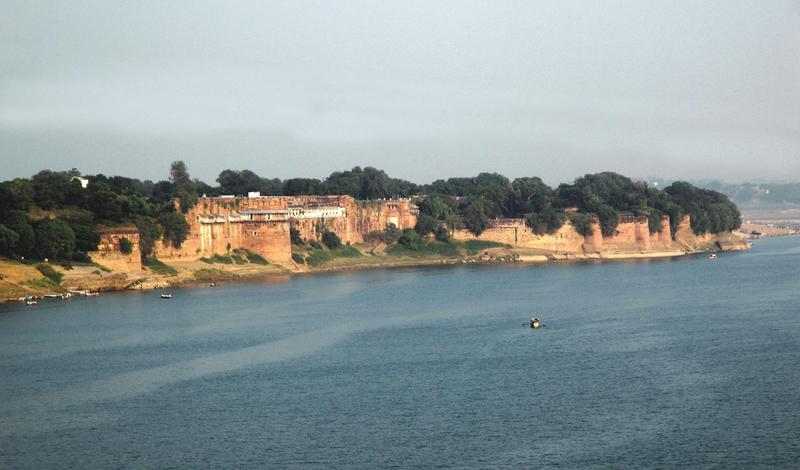
Day 2: Sangam snan and the old city. An early boat to the confluence for your snan. The boats go out to platforms near the meeting point of the rivers, where you can bathe safely. After breakfast, visit Bade Hanuman temple, famous for its reclining image of Hanuman, and the area around Akbar's Fort on the riverbank. Spend the rest of the day in the mela sectors: the akhara camps, the kathas and the vast tent city.
Day 3: departure. Morning at leisure, then a drop at the station or airport.
Where you stay
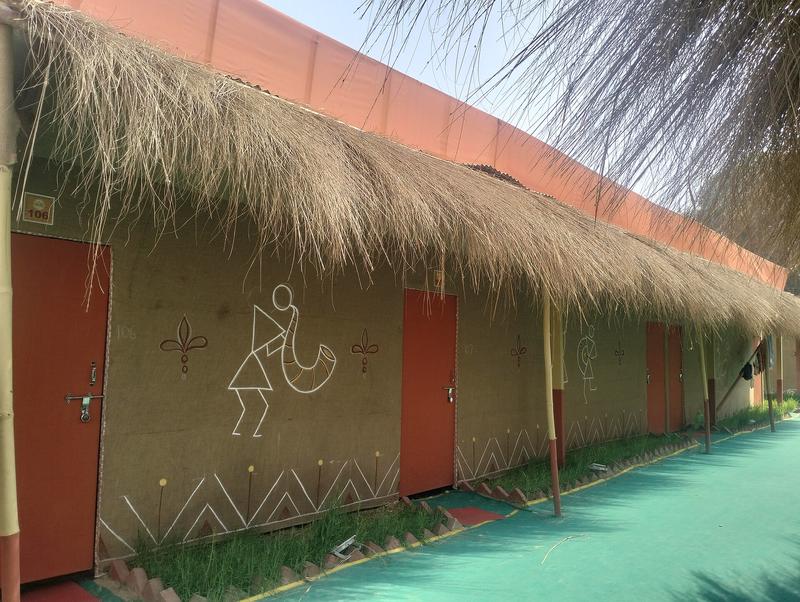
The package includes two nights in our Luxury Camp category: cottages with proper beds, an attached bathroom with hot water, room heaters or extra blankets, and all meals at the camp. Nights on the Sangam sands in January are cold and damp, so heating matters. Camp sectors are allotted each season, so we confirm the exact camp, its sector and photos before you pay. For a simpler stay, see Deluxe Camp or Tent Stay.
What is included
- Two nights in a Luxury Camp with all meals
- A shared boat to the Sangam for your snan
- Station or airport transfers
- A coordinator for the snan and the mela
Not included: train or air fare, a private boat, and puja expenses. A private boat for your family can be arranged on request.
How the price is worked out
This package is priced on request. Your quote depends on your dates (the major bathing days cost more), your stay category, the number of travellers, and extras such as a private boat. We will confirm everything in writing once the 2031 camp allotments are known.
Tips for a Sangam snan
- Wear clothes you can bathe in and carry a change of clothes and a towel in a plastic bag.
- Follow the boatman's instructions; the current at the confluence is stronger than it looks.
- Carry very little onto the boat: ID, a phone in a waterproof pouch, and a little cash.
- Dress warmly for the boat ride; January mornings on the river are very cold.
The story of the Sangam
Prayag is called Tirtharaj, the king of pilgrimage places. The Puranas describe it as the site of a great sacrifice performed by Brahma, and the Kumbh legend holds that drops of amrit fell here during the churning of the ocean. The meeting of the Ganga, the Yamuna and the invisible Saraswati gives the Sangam its special power: a dip here is believed to wash away sins and bring moksha.
The fort and the Akshayavat
On the riverbank beside the Sangam stands the fort built by Akbar in the sixteenth century. Much of it is used by the army, but the Akshayavat, the "indestructible banyan" of legend, and the underground Patalpuri temple inside the fort have been opened to pilgrims, especially during the Kumbh. Access rules change, so your coordinator will confirm what is open during your visit.
Bade Hanuman
Close to the fort is the temple of Bade Hanuman, where the deity lies in a reclining posture, partly below ground level. During the monsoon floods the Ganga often reaches the temple, which devotees regard as the river paying its respects.
Finding your way in the sectors
The Kumbh tent city is organised in numbered sectors, with signboards, police posts and help desks. Note your camp's sector number and the nearest pontoon bridge, save the camp's contact number, and agree a meeting point with your group. If you are separated, go to the nearest police post or lost-and-found centre, which are set up across the mela.